Professional Gemba Learning Program Batch 1
Event Report: Structured Problem Solving & Clear Communication
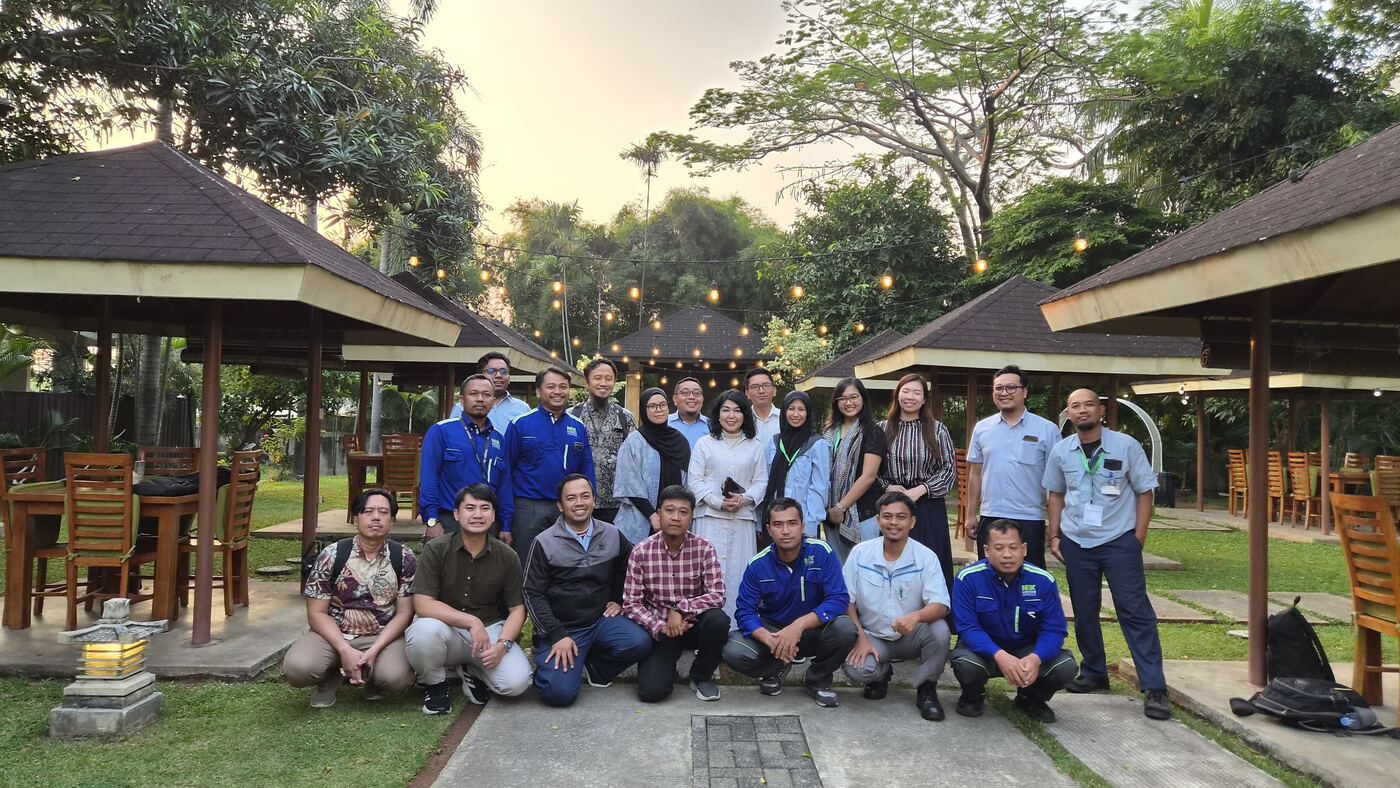
From May 20 to July 3, 2026, we held Batch 1 of the Professional Gemba Learning Program (Structured Problem Solving & Clear Communication) at MM2100 Industrial Town (Cikarang, West Java, Indonesia). Managers and team leaders from eight Japanese companies in the park took part in four modules over about one and a half months, learning the “kata” of shop-floor problem solving and putting it into practice in their own workplaces.
This report shares how the program unfolded and the changes participants experienced.
| Program | Structured Problem Solving & Clear Communication Training Course |
|---|---|
| Period | May 20 – July 3, 2026 (4 modules, each 13:00–17:00, with workplace practice between modules) |
| Venue | Asuka Hotel Training Center, MM2100 Industrial Town |
| Companies & Participants | 17 participants (managers and team leaders) from 8 Japanese companies at MM2100 [Participating companies] PT. Megalopolis Manunggal Industrial Development (Marubeni Group) PT. Nihon Chemical Indonesia (Nihon Chemical Industry Co., Ltd.) PT. NOK Indonesia (NOK CORPORATION) PT. NX SHOJI INDONESIA (NX Shoji Co., Ltd.) PT. Paramount Bed Indonesia (Paramount Bed Co., Ltd.) PT. SATO LABEL INDONESIA (SATO Holdings Corporation) PT. Sekiso Industries Indonesia (Sekiso Corporation) and 1 other company (in alphabetical order; only companies that approved publication are listed) |
| Language | Indonesian |
| Instructor | Adriani Surono |
Interviews and surveys with MM2100 tenant companies pointed to shared concerns: “next-generation leaders are not being developed systematically,” “training is delivered but its impact is hard for management to see,” and “uneven capability plus heavy reliance on Japanese expatriates.”
Professional Gemba Learning Program was designed to address these challenges by combining Assessment, which makes Indonesian staff knowledge and skills visible, with Training that builds skills and drives application on the Gemba.
For Batch 1, we chose the theme of finding workplace problems yourself, involving people around you, and driving them through to resolution.
The design is simple and practical. Centered on four problem-solving steps, what participants learn in each module is practiced in their own workplace (Real Study) before the next module, then brought back for shared reflection. This back-and-forth between classroom and Gemba was repeated four times.
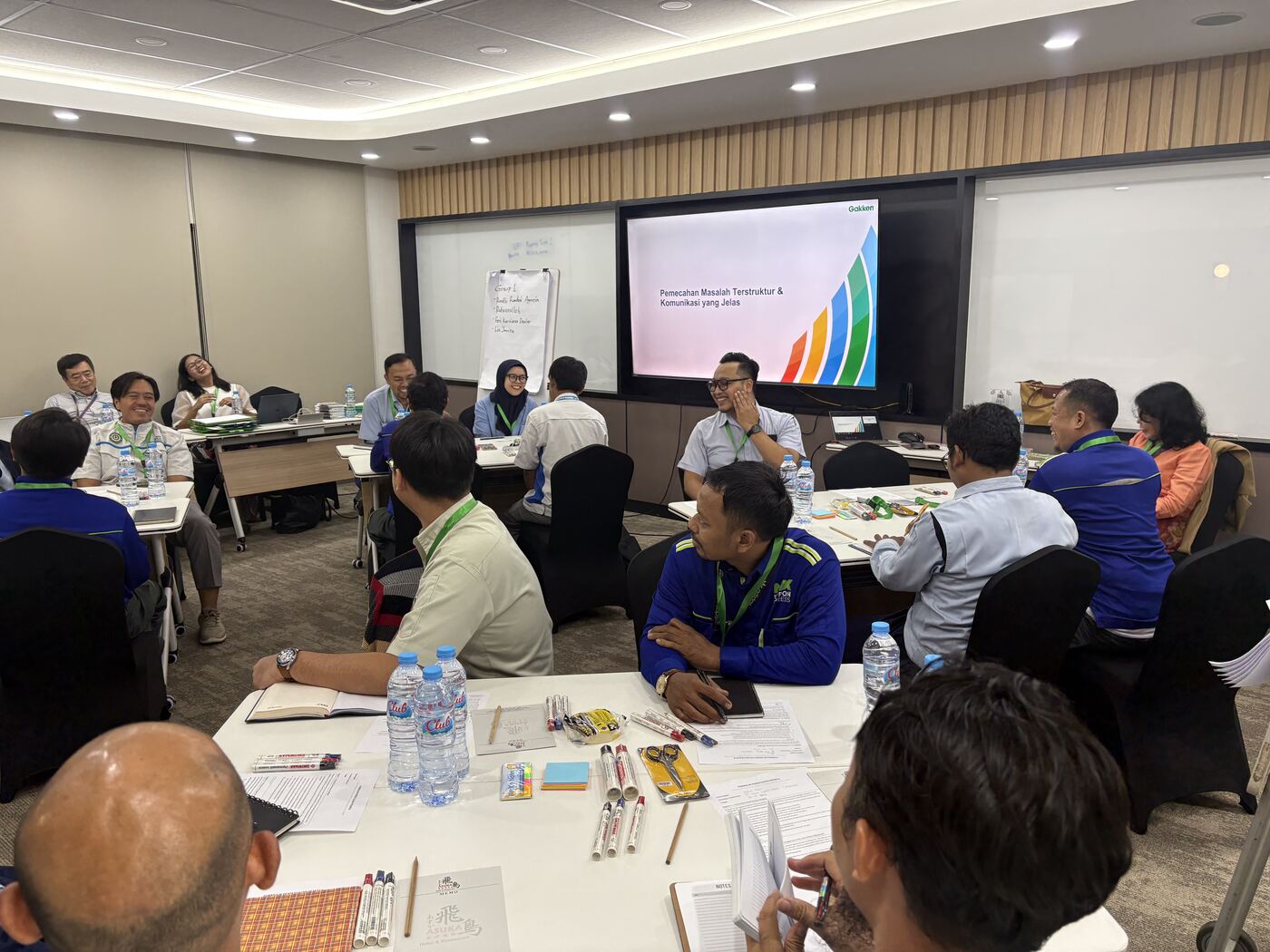
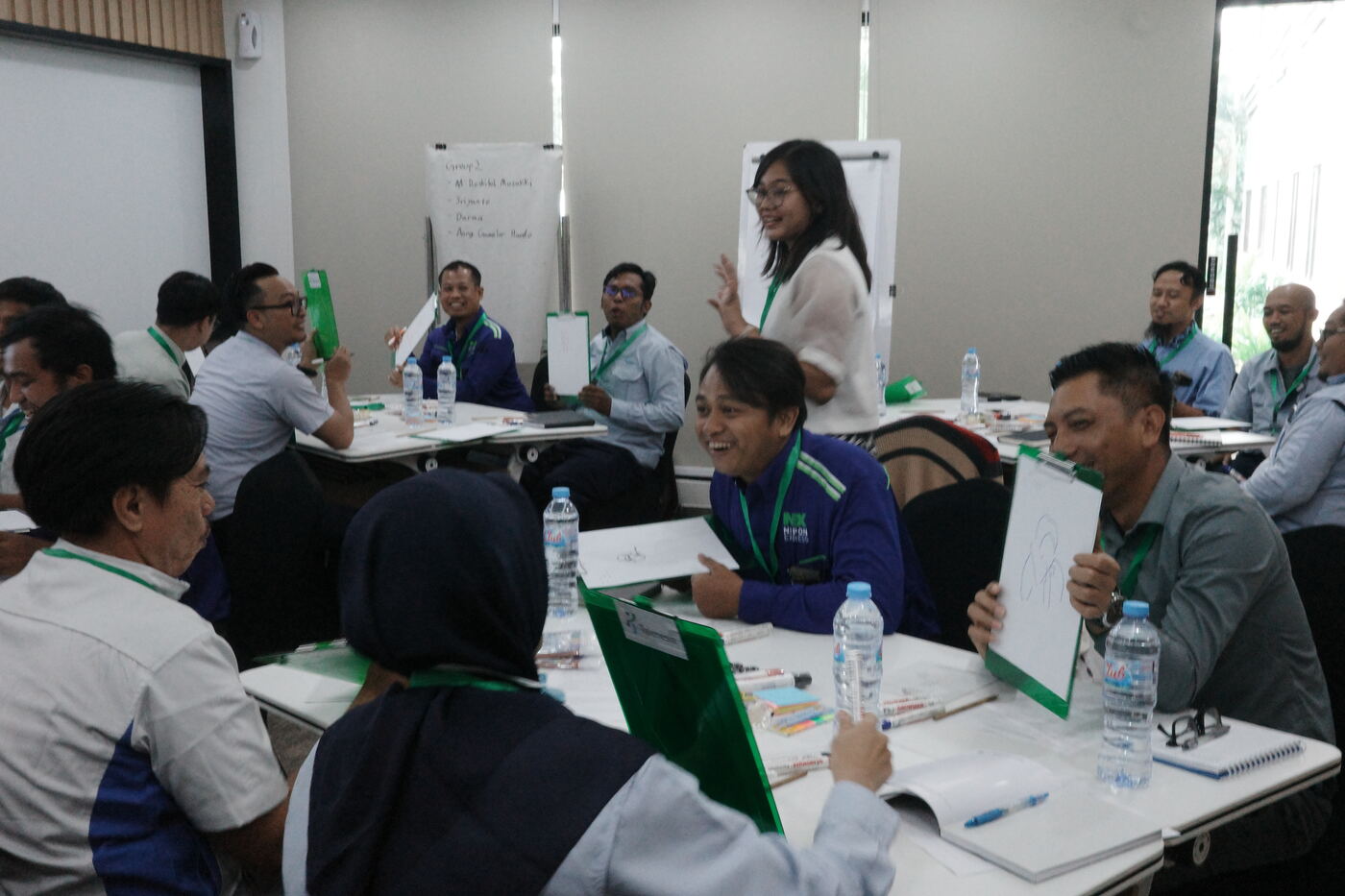
The opening session covered Step 1 “define the problem” and Step 2 “locate where the problem sits.” Participants practiced treating problems as gaps between current and desired states, and narrowing the issue with facts and data rather than assumptions. Mixed groups from multiple companies tackled an automotive case study.
The word that came up most often in the first-session survey was, tellingly, “assumption (jumping to conclusions).”
“Until now I skipped the problem-identification step, decided the location based on assumptions, and jumped straight to root-cause analysis. From now on I will gather evidence first, then identify the problem.”— From participant survey (Quality Department)
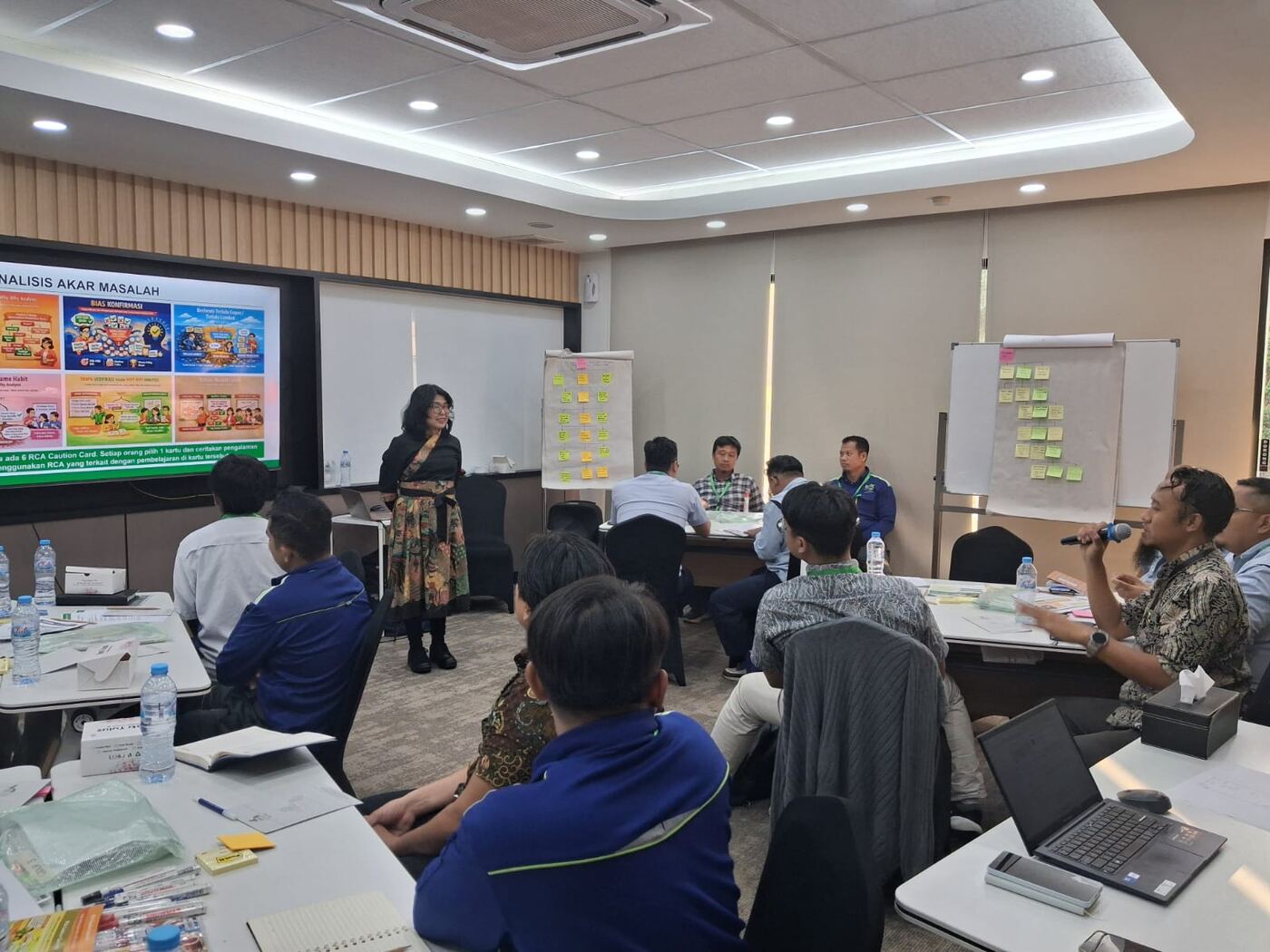
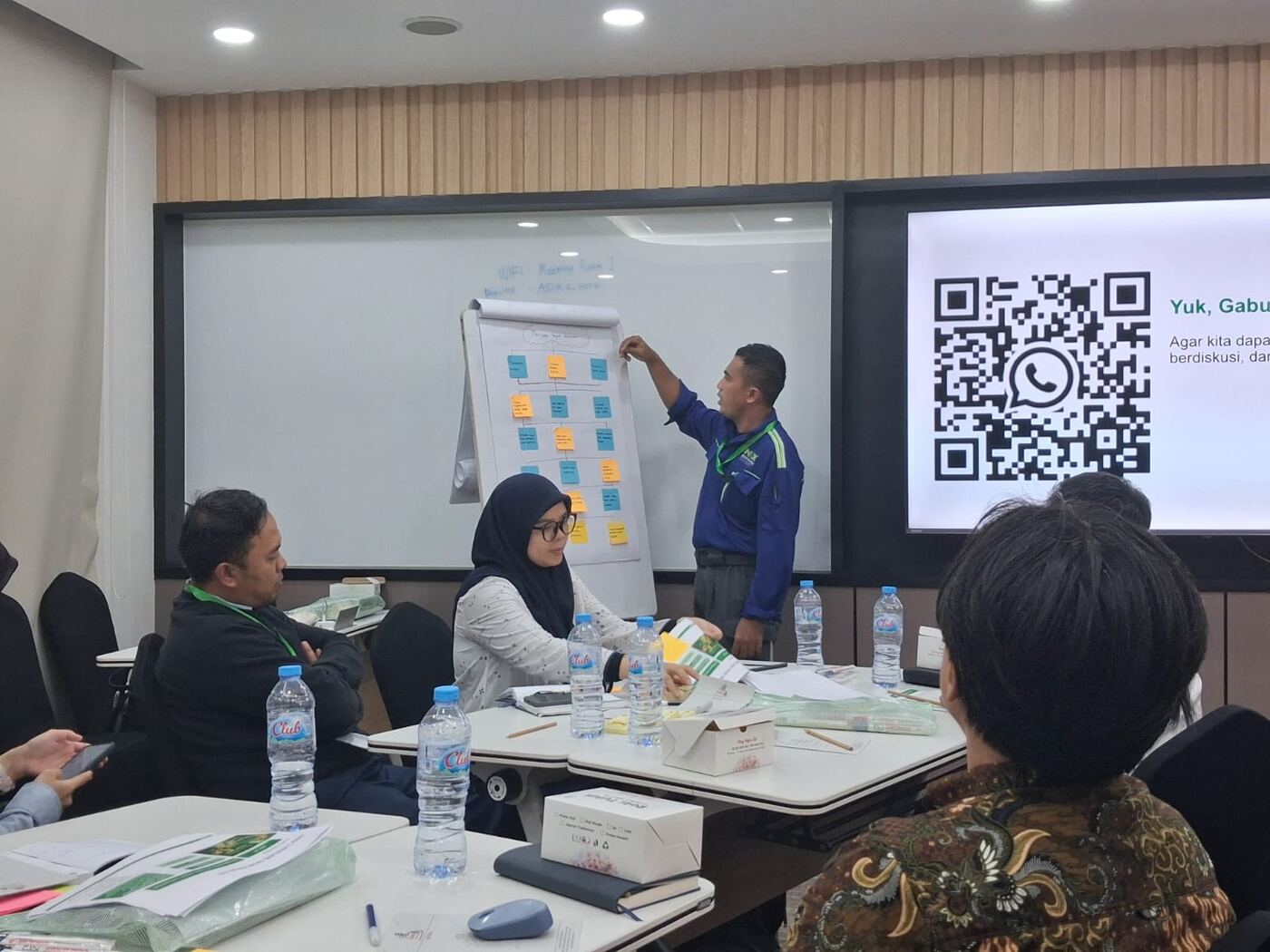
Module 2 began with sharing Real Study results. Each group presented how they applied a logic tree to a problem in their own workplace and took home each other’s lessons learned.
The main content was Step 3, Root Cause Analysis. Participants learned how to use the Why-Why approach correctly, and in an intense session, examined a real aircraft accident case to see what faulty analysis can lead to.
“I want a partner who can correct me when I drift into assumptions. If we can discuss problems participants are actually facing, our problem-solving skills will truly get sharper.”From participant survey
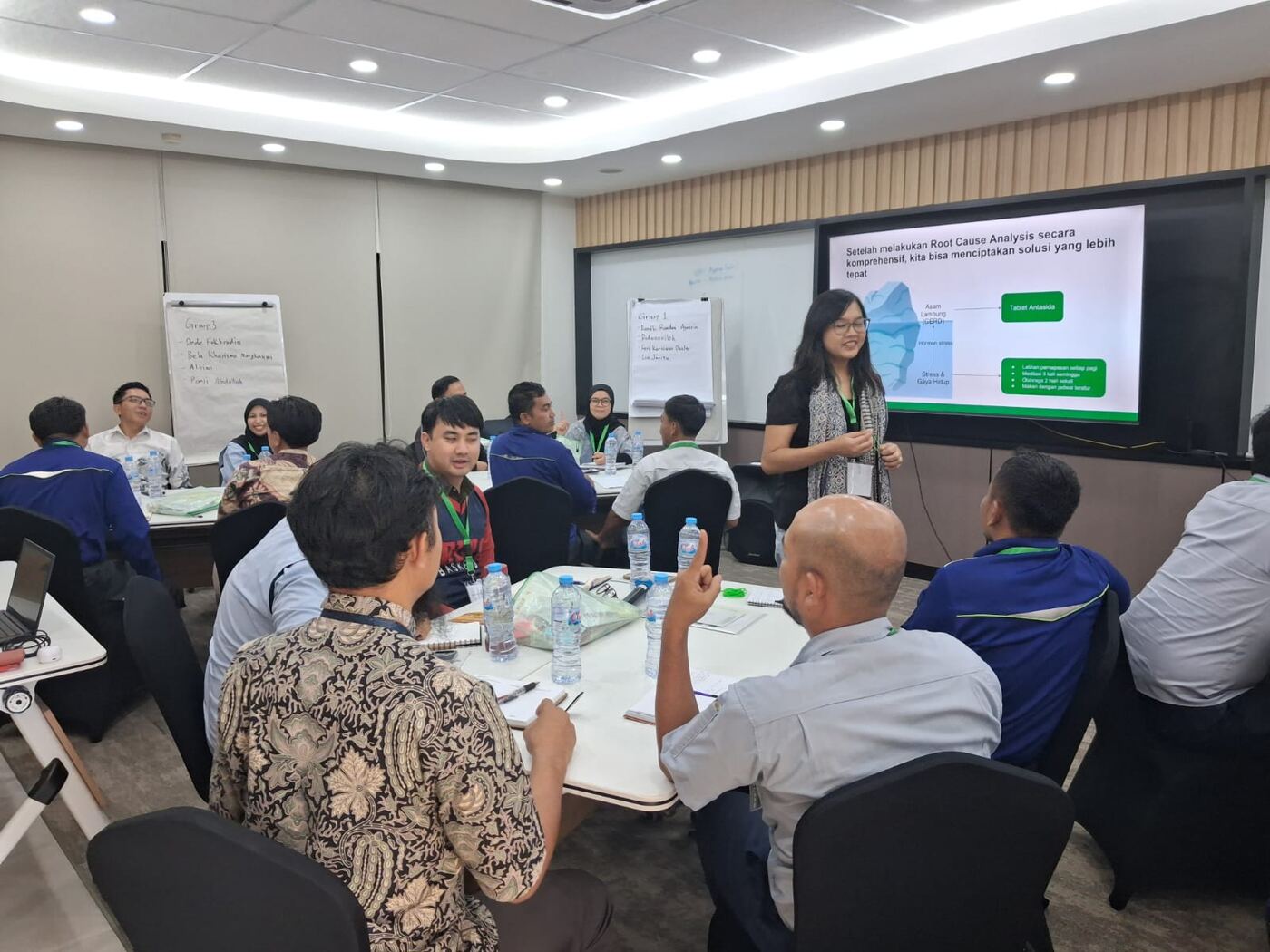
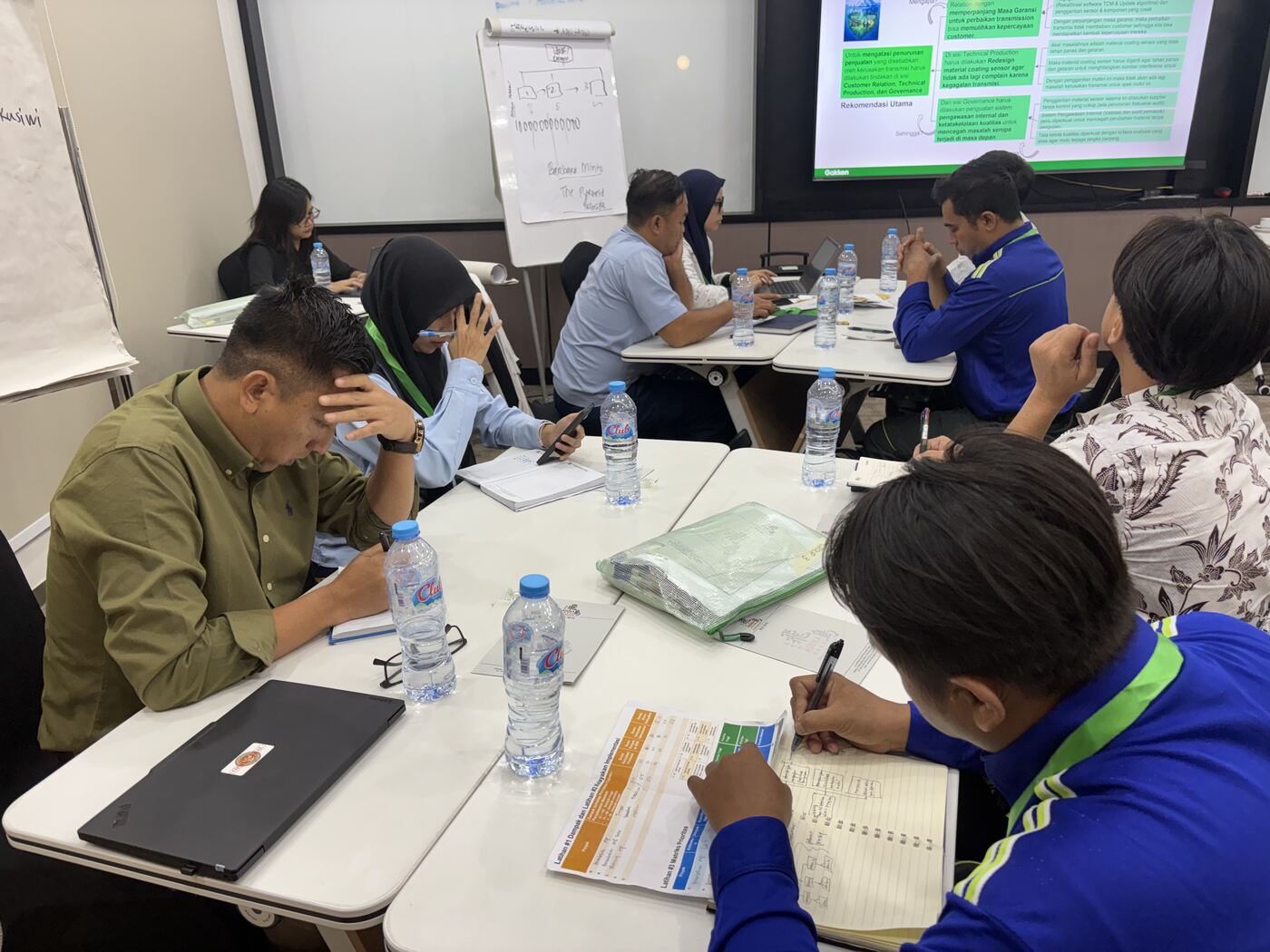
Step 4 covered developing and evaluating solutions. Participants learned to separate corrective actions for symptoms from preventive actions for root causes, and to prioritize options quantitatively with an impact × feasibility matrix. The idea of “setting priorities in a measurable way, not by gut feel” felt fresh to many.
“Structured problem solving and prioritizing solutions with a priority matrix make decision-making much easier.”From participant survey
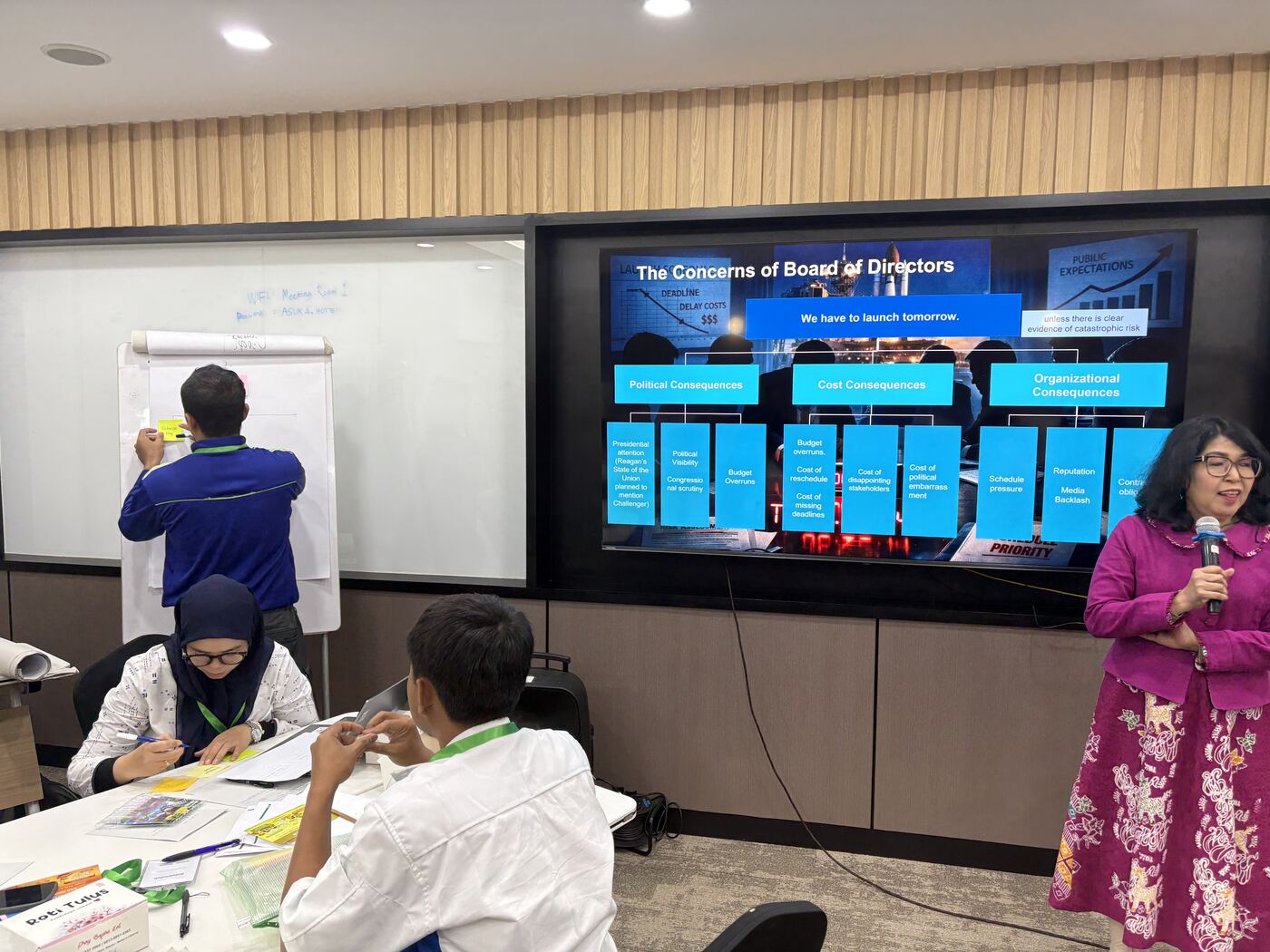
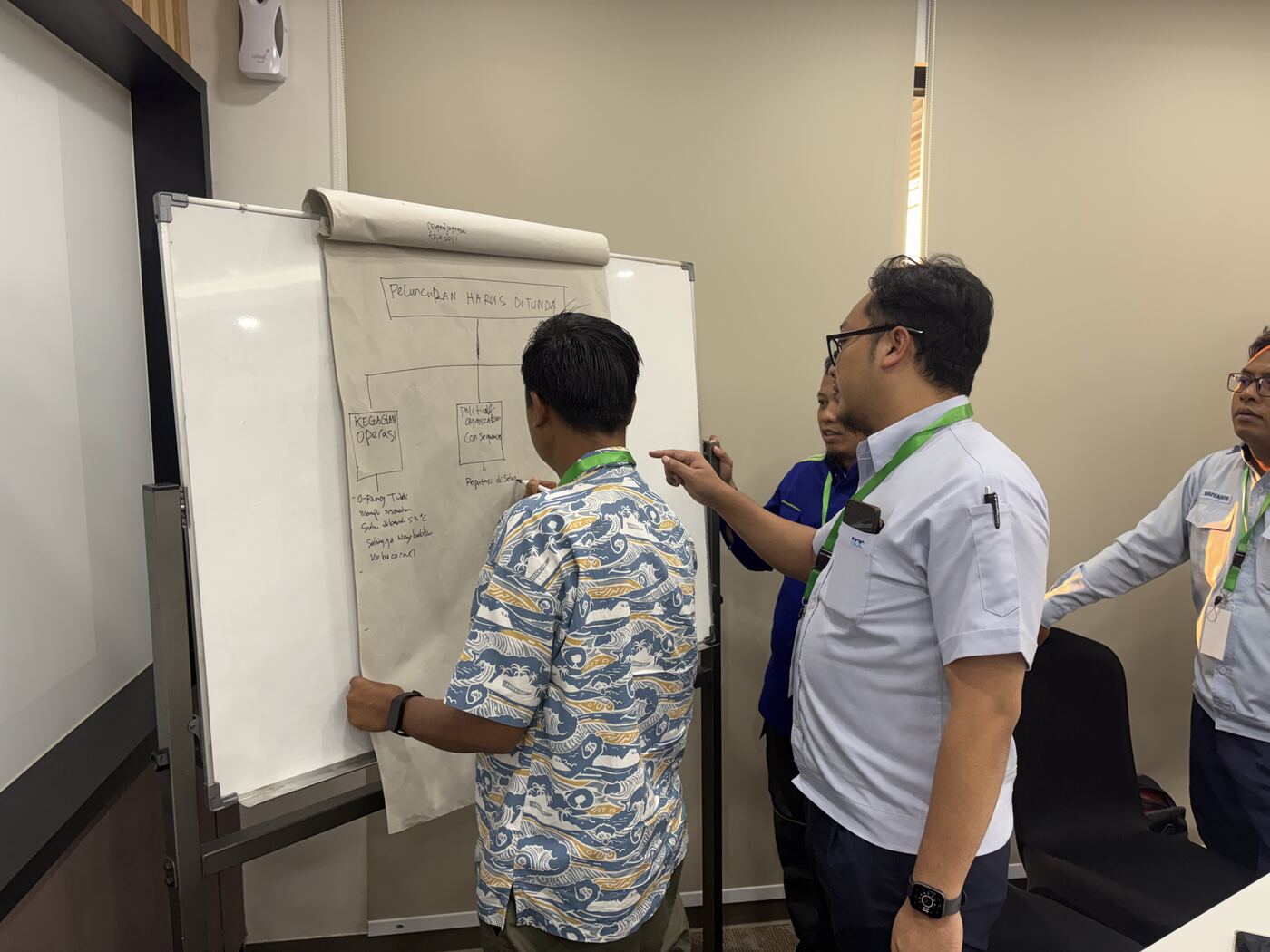
The final theme was communication to win stakeholder buy-in. Even the best analysis will not move the Gemba if it does not reach supervisors and related departments. Participants structured logic with the pyramid principle and designed proposals starting from stakeholder interests. This is the last piece of the puzzle: from “solving” a problem to “making it move.”
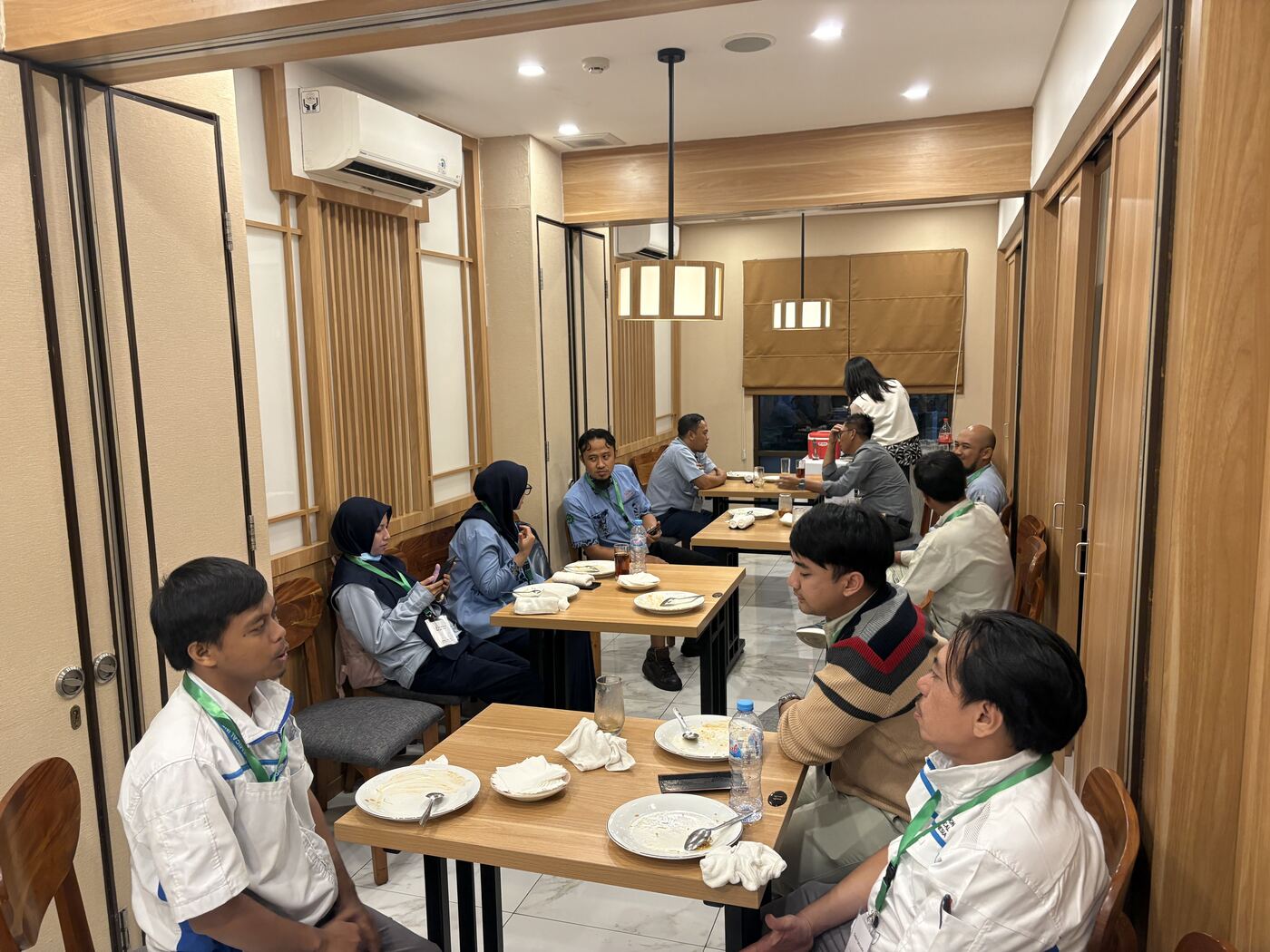
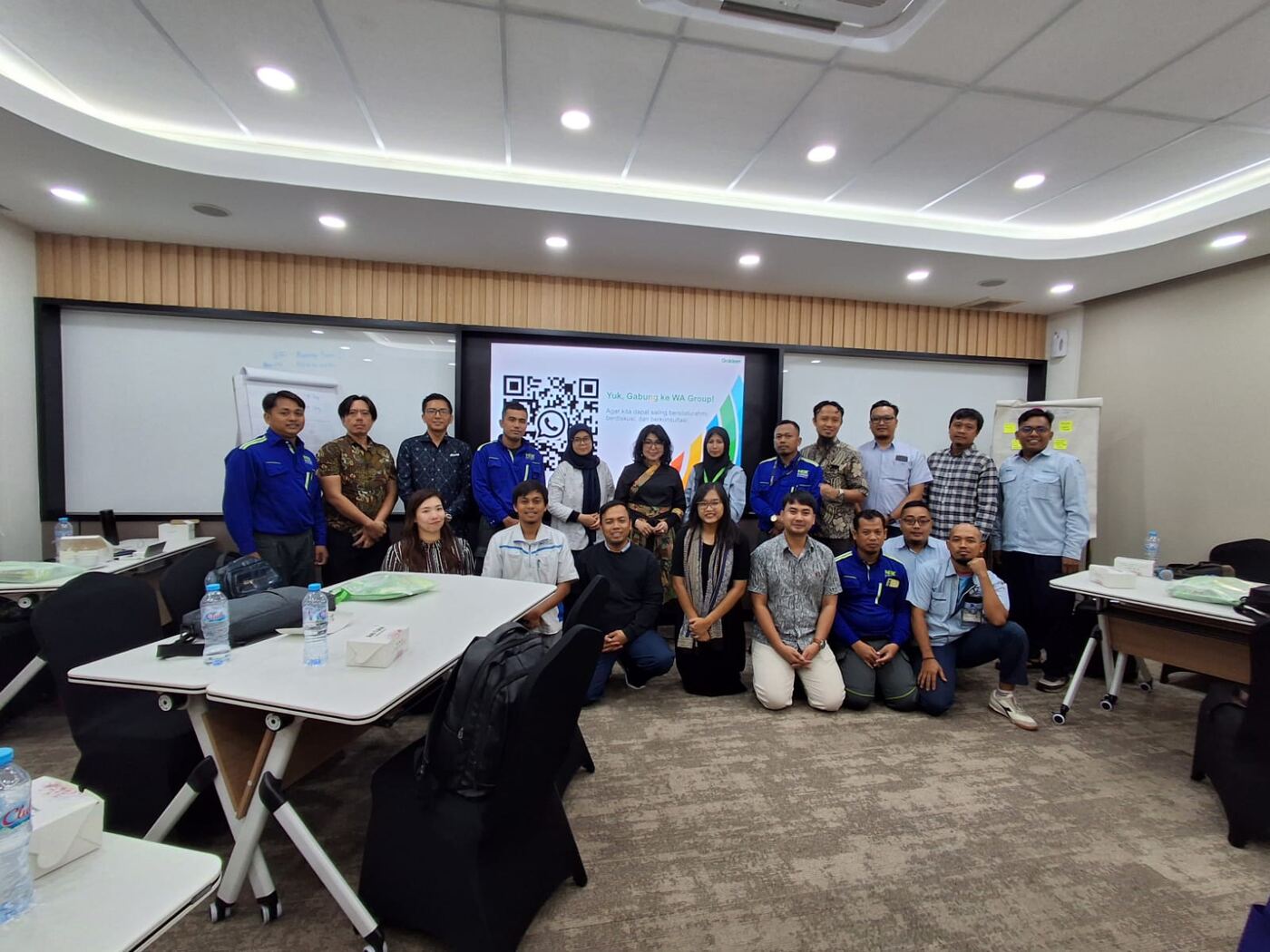
Those who completed the full program received certificates, and Graduation Dinner closed the two-month learning journey.
Here is what changed for participants, based on the survey at the final session (17 respondents).
The substance of “change” was concrete. Most often cited was a shift in thinking habits, from responding based on assumptions to digging to the root cause with data. Many also noted day-to-day behavior changes, such as going to the Gemba more often to verify the source of a problem, and always following the steps learned in training whenever an issue arises.
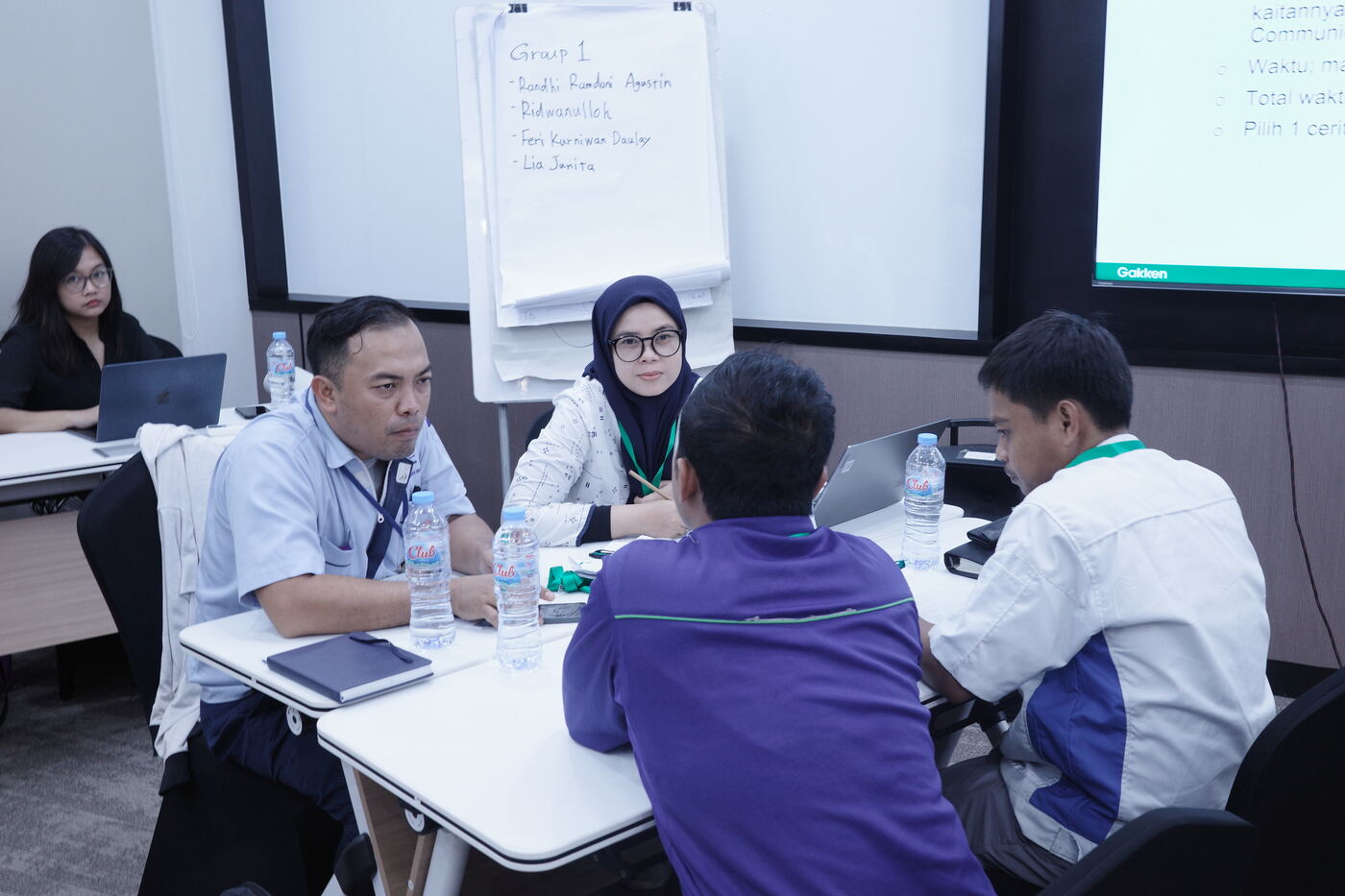
“Everything mattered and had value, but the sharing sessions with the instructor and fellow participants were irreplaceable.”From participant survey
I used to respond to problems based on assumptions. Now I dig down to the root cause with concrete data. That is what changed for me.
I now go to the Gemba more frequently to check problem sources and confirm that work is being done as intended. Sharing improvement examples across companies is also unique to this training.
Sharing sessions with the instructor and fellow participants had irreplaceable value. How I think and how I communicate changed significantly.
Because there is time between sessions, there is room to apply the learning on the Gemba. I no longer jump to assumptions when seeking root causes, and how I present solutions to stakeholders has changed too.
Encountering different perspectives opened up my thinking. This is one of the foundations our shop-floor leaders need today.
Now it is your company's turn to see learning move the Gemba.
Batch 2 of Structured Problem Solving & Clear Communication begins on Monday, August 31, 2026.
We look forward to your inquiries and applications.